Hard vs. Soft Shell Luggage Bags: Which Is Right for Your Next Trip?
When picking luggage for journeys, one must assess the advantages of hard shell versus soft shell options. Hard shell luggage is celebrated for its protective nature, guarding delicate items. By contrast, soft shell luggage delivers ease and flexibility. Each option fulfills different requirements and preferences. Understanding these differences can markedly affect your travel experiences. What considerations should direct your decision? The answer may impress you as you examine your unique travel habits.
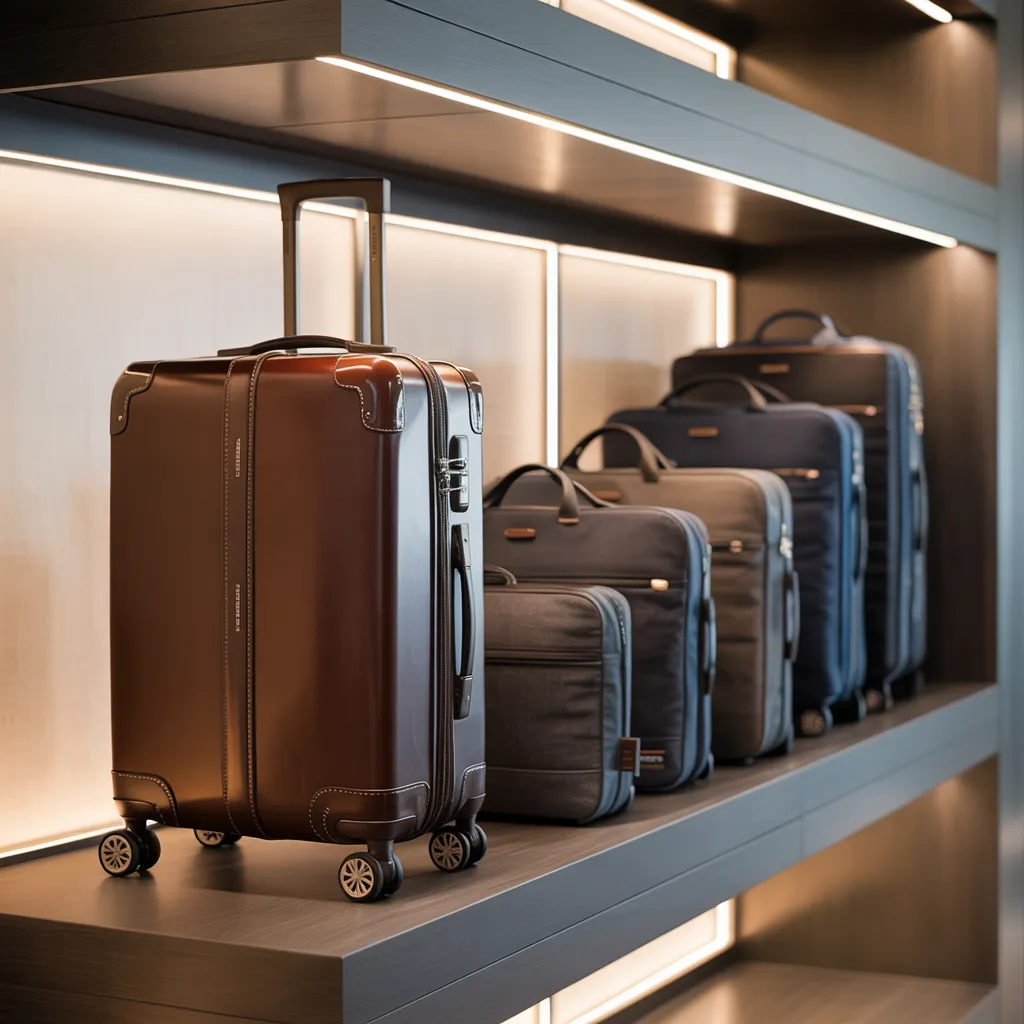
Hard Shell vs. Soft Shell: Which Choice Suits You?
When opting between hard shell and soft shell luggage, travelers often ponder which option best caters to their needs. Hard shell luggage typically offers a tough outer shell, granting maximum protection for fragile items. This design can prevent theft due to its durable composition, making it appealing for those carrying cherished possessions. Conversely, soft shell luggage is generally more bendable, allowing for smoother packing in tight spaces and the ability to accommodate extra items. The textile outer covering is often less heavy, which can be beneficial for travelers concerned about weight limits.
Travelers also evaluate durability; hard shell options may withstand rough handling better, while soft shell varieties often offer compartments and external pockets for arrangement. Ultimately, the choice relies on individual inclinations regarding security, weight, and packing convenience. Understanding the advantages and disadvantages of each type can help travelers make an informed decision suited to their specific travel habits and requirements.
Hard Shell Luggage Advantages include superior durability for your belongings.<> Hard shell luggage constitutes a robust and tough choice resistant to wear and tear. The rigid shell guards your contents from knocks and blemishes. Hard shell luggage is typically not heavy in comparison to soft-sided alternatives. You are able to store more belongings while avoiding surpassing weight limits. The contemporary look of hard shell luggage comes across as refined and trendy. Hard shell luggage offers different shades and patterns to fit your preferences.
Hard shell luggage delivers considerable benefits for voyagers looking for durability and protection for their possessions. Its sturdy design improves resilience to impacts and severe environments, ensuring that goods remain secure during transit. Furthermore, the longevity of hard shell materials often translates into a worthwhile purchase for frequent travelers.
Improved Safeguard Elements
Travelers seeking dependable security for their belongings often turn to hard shell luggage, recognized for its sturdy design. These bags typically include materials like polycarbonate or ABS, which provide a solid defense against impacts and external forces. The hard outer shell effectively shields items from compression, piercing, and various forms of harm during transit. Additionally, many hard shell models come equipped with integrated locks, enhancing security against theft. The smooth surface of hard shell luggage is also more resistant to water and dirt, simplifying maintenance and cleaning. Moreover, the stiffness of these bags enables efficient packing, ensuring that contents stay firmly positioned. Ultimately, hard shell luggage provides reassurance for travelers valuing durability.
Better Endurance and Extended Life
A notable benefit of hard shell luggage lies in its superior durability and longevity. Constructed from sturdy materials such as polycarbonate or ABS plastic, hard shell bags are designed to withstand the rigors of travel, including impacts and abrasions. This resilience protects the contents inside, making hard shell options particularly appealing for frequent flyers. Unlike soft shell bags, which can easily succumb to wear and tear, hard shell luggage maintains its structural integrity over time. Additionally, their waterproof and stain-resistant properties help preserve the bag's appearance, ensuring it looks new for longer. Overall, the enhanced durability of hard shell luggage makes it a sensible investment for travelers seeking reliability and longevity in their travel gear.
Advantages of Soft Shell Travel Cases
Soft shell luggage provides travelers a lightweight and flexible design, allowing for simple movement through busy airports and tight aisles. Its expandable storage options allow for additional packing space, fitting souvenirs or extra gear. Additionally, the soft structure simplifies packing, allowing users to pack items tightly and effectively.
Lightweight and Pliable Configuration
While setting out on a journey, the choice of luggage can considerably improve the experience, especially when opting for soft shell designs. Soft shell luggage is well-regarded for its lightweight feature, making it easier for travelers to move through busy airports or crowded streets. This reducing design significantly lowers the overall weight of packed items, allowing greater flexibility in what can be carried. Additionally, the flexibility of soft shell bags enables them to adjust to various storage spaces, whether in overhead compartments or car trunks. This adaptability is especially helpful when moving through tight spaces or packing hurriedly. Overall, soft shell luggage pairs practicality with comfort, meeting the dynamic needs of modern travelers.
Flexible Storage Options
When on the road, the aptitude to expand luggage storage can be a turning point, notably with soft shell designs. These bags often feature zippers or expandable sections that allow travelers to increase their storage capacity when required. This flexibility is especially useful for those who may pick up souvenirs or pack additional clothing during their travels. Unlike hard shell luggage, which has a static size, soft shell options can respond to various packing needs and situations. Additionally, many soft shell bags include external pockets, giving further coordination and easy access to essentials. This adaptability not only strengthens convenience but also maximizes packing efficiency, making soft shell luggage a recommended choice for many adventurers seeking comprehensive storage solutions.
Simple to Pack Goods
The versatility of soft shell luggage sets its value, notably in terms of how easy it is to pack. The natural flexibility of these bags lets travelers to fit oddly shaped items, making them perfect for various gear or clothing types. Their external pockets provide convenient access to essentials such as copyright, snacks, or electronics, avoiding the need to search in the main compartment. Moreover, soft shell luggage frequently has expandable sections, allowing for last-minute purchases or souvenirs. The lightweight design of these bags boosts portability, helping travelers to move through crowded spaces with more ease. In summary, soft shell luggage serves various packing requirements, making it a wise choice for adventurous spirits seeking efficient organization.
Determining Luggage Choice According to How Often You Journey and Type
How do you identify the ideal luggage for your travel habits? The type and frequency of travel impacts this decision significantly. For frequent travelers, durability and ease of movement become essential. Hard-sided luggage, with its robust exterior, provides protection for belongings during regular trips, while soft-sided options may offer reduced weight and flexibility for rapid escapes.
Occasional travelers might prioritize convenience, selecting lightweight soft shell bags that can easily be placed or carried. Business travelers often demand versatile options, such as hybrid bags that combine both professional needs and personal items.
Adventure enthusiasts, meanwhile, may benefit from tailored soft shell bags suited for difficult landscapes. Ultimately, the choice between hard and soft shell luggage should align with unique travel preferences, ensuring that it meets the demands of each excursion while delivering convenience and trustworthiness. Understanding one's travel habits and preferences is vital for selecting the best option.
Storage Space: Hard versus Supple Shell?
Deciding on the correct luggage demands considering how often you travel and what kind of trips you take as well as storage capacity. Rigid suitcases generally provides a fixed amount of space because of its rigid structure. While this can offer a sleek, streamlined appearance, it may restrict the capacity to fit oddly sized belongings. In contrast, soft shell luggage boasts increased flexibility, allowing people to squeeze in supplementary items or stretch as necessary. Its fabric design often features external pockets for additional storage, enhancing usability.
Moreover, supple shell bags tend to be lighter, which can be advantageous when meeting weight restrictions. Conversely, hard shell bags may provide a more organized packing experience with internal compartments. Ultimately, the choice between hard and soft shell luggage copyrights on individual packing habits and the demand for adaptability during travel. Understanding these differences in storage capacity can considerably shape the efficiency of a traveler's packing strategy.
Robustness and Protection: Primary Differences
Durability and protection are crucial considerations when selecting luggage, as they profoundly affect a voyager's experience. Hard shell luggage is generally made from materials like polycarbonate or ABS, ensuring robust protection against impacts and harsh conditions. This unyielding shell defends belongings from compression damage and offers superior safety against theft. Additionally, hard shell bags often come equipped with water-resistant surfaces, ensuring contents from moisture.
In contrast, soft shell luggage is crafted from textile components such as nylon or polyester. While generally more lightweight and adaptable, soft shell bags may not withstand strong force as effectively as their hard counterparts. However, they often come with extra storage sections and divided spaces, improving storage functionality. Travelers choosing soft shell luggage may find it easier to fit into tight spaces, but they sacrifice some level of protection. Ultimately, the choice will depend on personal journey requirements and the type of adventures planned.
Frequently Inquired Questions
Is fixing a damaged Hard Shell Suitcase possible?
Yes, a damaged hard shell suitcase can often be fixed. Based on the damage, options consist of changing zippers, mending cracks, or using adhesive for minor scratches. Expert restoration services are also available for more substantial issues.
How Do I Wash Soft Shell Suitcases?
To clean soft shell bags, one should apply a damp cloth with gentle soap, lightly scrubbing surface stains. Rinsing thoroughly and air-drying assures the fabric retains its strength while getting rid of dirt and odors effectively.
Do Hard Shell Bags Have More Weight Than Soft Shell Options?
Hard shell bags typically are heavier than soft shell options. The rigid materials ensure durability and protection, though this commonly results in increased weight, altering the general ease of transport for additional resource travelers.
What proportions Are available for Hard Shell Luggage?
Hard shell luggage usually comes in various sizes, including carry-on, medium, and large configurations. These options cater to different travel needs, enabling travelers to select based on duration and type of journey planned.
Can a soft shell bag be positioned below an airplane seat?
Typically, a flexible duffel can fit under an airplane seat, depending on its dimensions. Passengers need to verify copyright requirements, as dimensional limits may differ, making sure their bag meets the necessary measurements for onboard storage.